







Search Results for: Mandheling Star
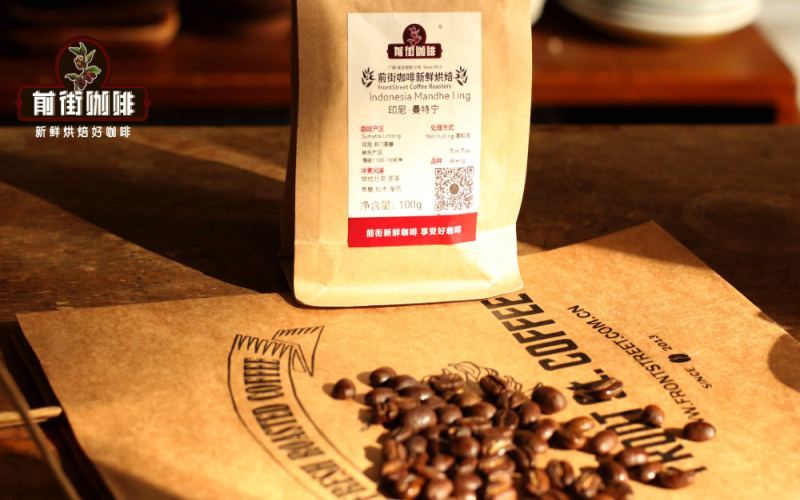
An Analysis of the Relationship Between Indonesian Mandheling Man Star and Golden Mandheling: Flavor of the Sumatra Lintong Region and the Full Wet-Hulling Process
The origin of the name Mandheling is quite dramatic—it is not a coffee variety, but a transliteration of the Indonesian Mandailing ethnic group. After World War II, the name spread to Japan and became hugely popular. In the specialty coffee world, Mandheling specifically refers to Arabica coffee produced around Lake Toba and Lake Laut Tawar in Aceh on the island of Sumatra, known for its rich, full body and long-lasting sweet aftertaste. The Lintong region is the heartland of high-quality Mandheling, and Mandheling Star selects Typica trees decades old from dozens of smallholder farmers in a small town south of Lake Toba. Front Street Coffee's Indonesia Sumatra Lintong Mandheling Star, with its citrus, spice, mango, and milk-like flavors, along with a lively interplay of acidity and sweetness intertwined with Sumatra's distinctive earthy aroma, has become a focus of attention for coffee lovers. This article will take an in-depth look at the relationship between Mandheling Star and Golden Mandheling, and present a complete account of the four key steps of Sumatra's wet-hulling process. [more…]
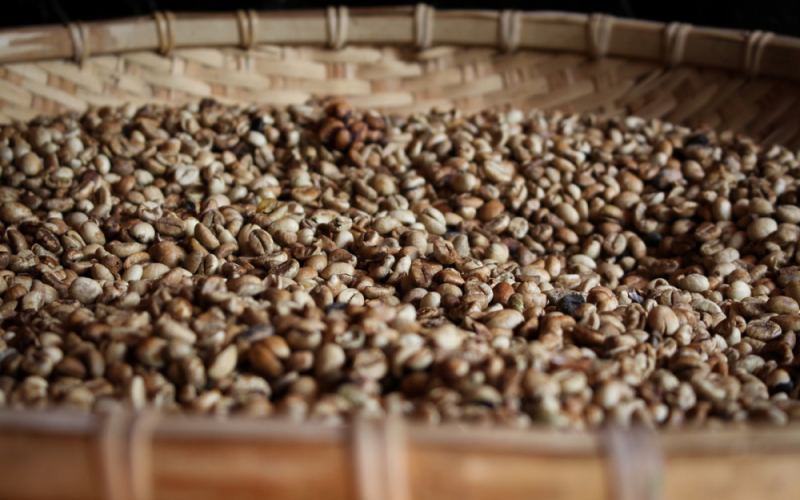
Comparison of Coffee Bean Producing Regions in Asia and Africa: Taste Characteristics, Representative Varieties, and Star Ratings
The two major coffee-producing regions of Asia and Africa each have distinct personalities: Asian beans are known for their rich, smooth, and sweet flavor with understated aromas, while African beans are small in size and often feature bright fruity acidity and floral notes, frequently playing a flavor-enhancing role in blends. This article systematically compares the flavor differences between the two regions and includes Front Street Coffee's star ratings for aroma, brightness, body, texture, and aftertaste across several representative bean varieties, covering Indonesian Mandheling, Papua New Guinea Bird of Paradise, Yunnan small-batch, Tanzanian Kilimanjaro, Ethiopian washed Gedingding, Kenyan Little Tomato, and more, as a purchasing reference for coffee lovers based on taste preferences. [more…]
Indonesia Mandheling Star Coffee Bean Origin and Pour-Over Method | Front Street Coffee Flavor and Wet-Hulling Process Detailed Explanation
Indonesian Mandheling is known for its low acidity, intense body, and full, robust mouthfeel. Front Street Indonesian Mandheling in particular combines aroma, intensity, body, and bitterness all in one—those who like it treasure it like a gem, while those who don't think it tastes like drinking Chinese herbal medicine. This article begins with the history of Indonesian coffee, tracing the introduction of Arabica during the Dutch colonial period, the rise of Robusta after leaf rust disease, and today's industry structure dominated by smallholder farming; it then goes deeper into producing regions such as Sumatra and Bali, explaining Mandheling's growing environment and variety names like TimTim and Ateng; it focuses on analyzing why the wet-hulling process creates Mandheling's unique low acidity and subdued aroma, and provides Front Street Mandheling's pour-over parameters and staged extraction steps. [more…]
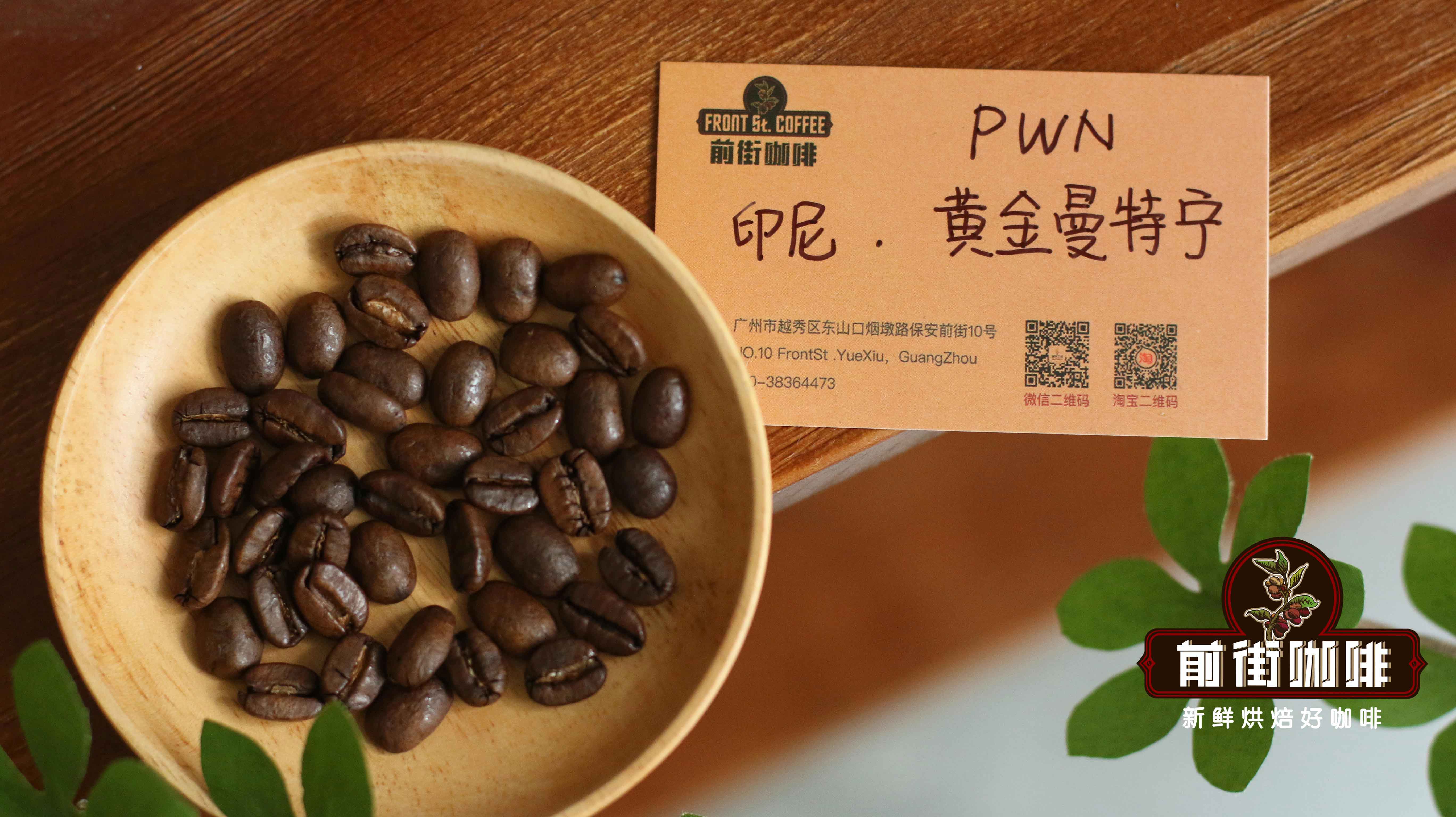
What Exactly Does Golden Mandheling G1 Mean? A Comprehensive Analysis of Its Pour-Over Flavor and Mouthfeel Characteristics
Golden Mandheling is a star product among Indonesian coffees, but many people are not clear about the meaning behind its name. This article starts with the PWN company and sorts out the grading system for Indonesian green coffee beans, including standards such as defect rate, screen size, and number of hand-sorting passes, to help readers understand the true meaning of the G1 grade. It also introduces in detail the flavor performance of Front Street Golden Mandheling—spice, herbal, caramel, nut, and brown sugar aromas interwoven, full-bodied, clean, and richly layered—and explains that it is suitable for a variety of brewing methods such as pour-over, moka pot, and home coffee machine. [more…]

Exploring Papua New Guinea's Specialty Coffee Regions: The Flavor and Story of Bird of Paradise Typica
In the Asian coffee landscape, Papua New Guinea is a rising star. This island nation, which shares the island of New Guinea with Indonesia, has joined the ranks of the world's specialty coffees thanks to its high-quality washed Arabica beans. Its coffee is known for medium body, bright acidity, and floral and fruity notes, with a style closer to the fresh, bright character of Central America than the rich bitterness of Mandheling. Bird of Paradise coffee beans—Typica variety—carry the unique terroir of their origin, and Front Street Coffee recommends this excellent bean worth savoring. This article will take you through the coffee history, variety characteristics, and flavor description of Papua New Guinea, exploring the coffee legend nurtured by this pristine land. [more…]
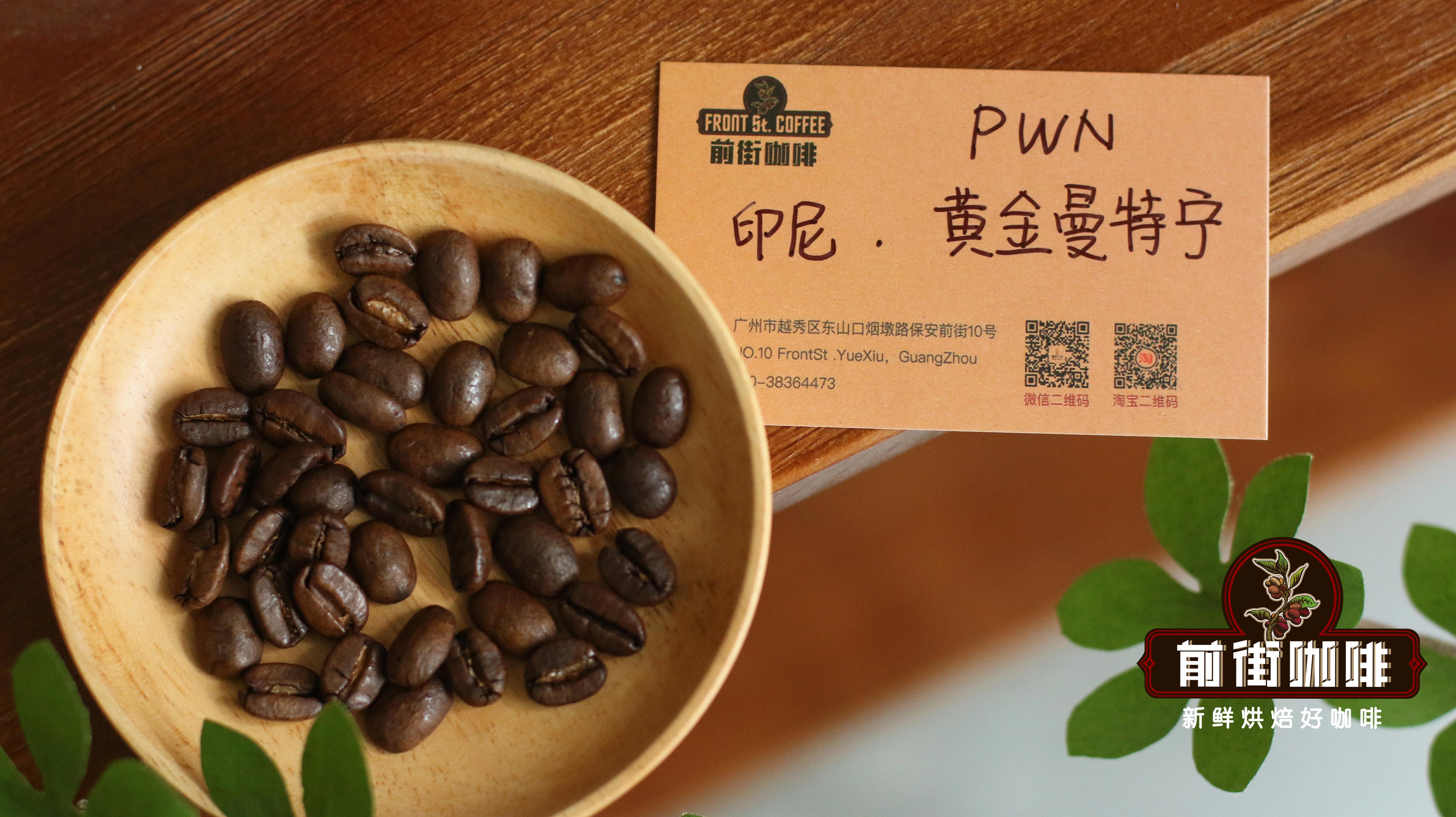
A Comprehensive Analysis of Indonesian Golden Mandheling Coffee: A Guide to Its Origin, Varieties, Processing Methods, Roasting Highlights, and Pour-Over Parameters
Golden Mandheling is one of the most representative specialty coffees from the Sumatra region of Indonesia, and it is also a star bean that Front Street Coffee has sold well for a long time. This article will deeply interpret the source of this coffee's flavor from three dimensions: regional terroir, the characteristics of the Ateng variety, and the wet-hulling processing method. At the same time, the article also records in detail the grading standards of PWN Company's Golden Mandheling, the design ideas behind the roasting curve, and the pour-over parameters and brewing techniques recommended by Front Street for dark-roasted beans. Whether you are a beginner just getting into pour-over or a coffee enthusiast who wants to further understand the Mandheling system, you can gain practical reference information from it. [more…]
The Story Behind Indonesia's PWN Golden Mandheling: From Lintong to Mount Gayo, Variety Succession and Wet-Hulling Flavor Analysis
Front Street Coffee's PWN Golden Mandheling has always been a star of the shop, and many customers who prefer a rich, full-bodied flavor make a point of ordering a cup. But recently, attentive friends have noticed that the green bean information for this coffee has quietly changed: the origin has shifted from Lintong to Mount Gayo, the variety has changed from Typica to Ateng (the local Indonesian name for Catimor), and the packaging specification has gone from 60 kg per bag to 30 kg. What is the reasoning behind these changes? And how did the name Golden Mandheling come about? In this article, Front Street Coffee will give you a comprehensive understanding of this PWN Golden Mandheling that coffee connoisseurs cannot resist, starting from the origin of the name Mandheling and diving deep into its origin characteristics, variety story, wet-hulling process, as well as Front Street's roasting approach and pour-over recommendations, so you can fully understand its charm from bean to cup. [more…]
Panama Deborah Estate Geisha Coffee and the Savage Project: An Analysis of High-Altitude Terroir and Anaerobic Natural Processing
Panama Geisha has always been a shining star in the specialty coffee world. From Hacienda La Esmeralda's rise to fame to today's flourishing of estates, enthusiasts have always been in pursuit of more refined flavors. Among the many renowned estates, Finca Deborah, with its altitude of over 1,900 meters, unique microclimate, and owner Jamison Savage's extreme exploration of processing methods, has become a rising star that has drawn much attention in recent years. The coffee project initiated by Savage brings together fully ripe red cherries from small estates in the Boquete and Volcán regions, endowing Geisha with sweeter fruit and floral notes through anaerobic natural processing. Front Street Coffee has selected the Savage series Geisha, using a light roast to preserve its delicate sweetness and acidity, and provides V60 brewing parameter references. This article will comprehensively cover the history of Geisha's spread, the terroir advantages of Finca Deborah, and the key details of this coffee from cultivation to cup. [more…]
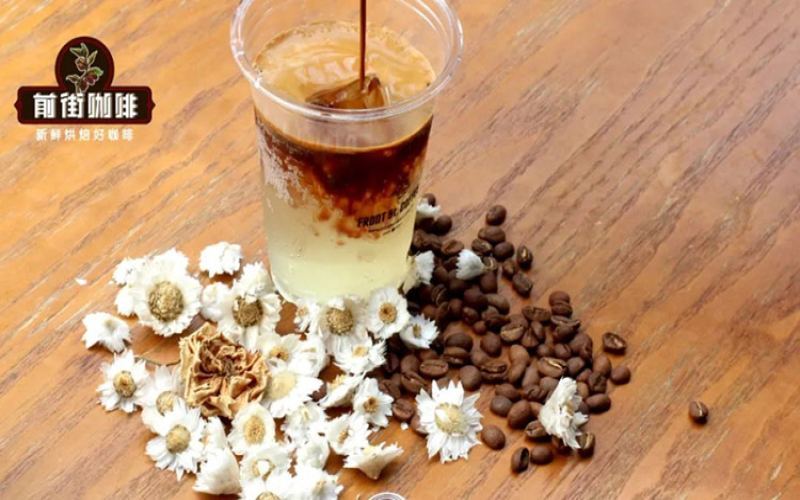
Detailed Recipe for Summer Apple Special American Coffee: Three Methods and Ratio Parameters
On a hot summer day, a refreshing apple-infused Americano might be exactly what you need. This article centers on the pairing of apple juice and espresso, sharing three different approaches: direct mixing, adding sparkling water, and freezing apple juice into ice cubes. As the star of the coffee, Front Street Mamba Blend Coffee brings the wildness of Mandheling and the cocoa-like balance of Brazilian beans. Whether you have an espresso machine or a moka pot on hand, as long as you get the ratio of juice to coffee and the details right, you can recreate at home an apple Americano with a harmonious taste where the fruity aroma isn't overshadowed. [more…]
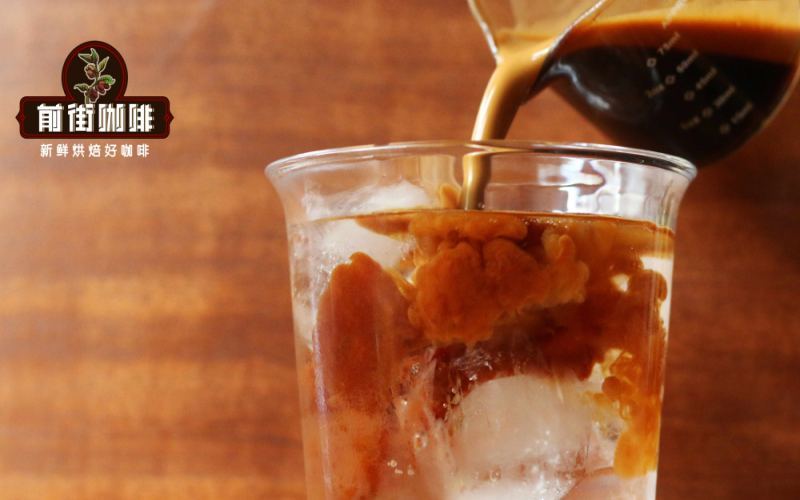
Why Does Iced Americano Lead in Sales? Americano Flavor Analysis and Coffee Bean Recommendations for Americano and Milk Coffee
Americano seems simple, consisting only of espresso and water, yet it is the ultimate test of a barista's extraction skills. Without the embellishment of milk, the flavors of the coffee beans themselves are infinitely amplified, so an Americano is not only convenient and quick, but also a direct way to judge a shop's quality. It has a refreshing taste, is low in calories, and can aid digestion; combined with exercise, it even helps with fat loss—no wonder it has become a star product in coffee shops. This article will explain in detail the ratios and extraction key points for hot and iced Americanos, and separately recommend espresso blends and single-origin SOE coffee beans suitable for daily drinking, including several classic everyday beans from Front Street Coffee, to help you easily make a delicious and refreshing Americano or a latte. [more…]
Analysis of Panama Elida Estate Coffee Beans' Market Performance and Brand Choices in the Boquete Region
Panama coffee occupies an important position in the global specialty coffee landscape, and Elida Estate, as a star estate in the Boquete producing region, has drawn much attention for its Typica variety and natural processing method. This article, from variety traceability and estate terroir to flavor expression and brewing parameters, comprehensively analyzes the quality characteristics and market conditions of Elida coffee beans, while also exploring the selection directions for Panama coffee brands. Front Street Coffee's Panama Boquete Elida Estate Natural Typica, with its highlight of rich tropical fruit and strawberry aromas, offers coffee lovers a choice worth noting. [more…]
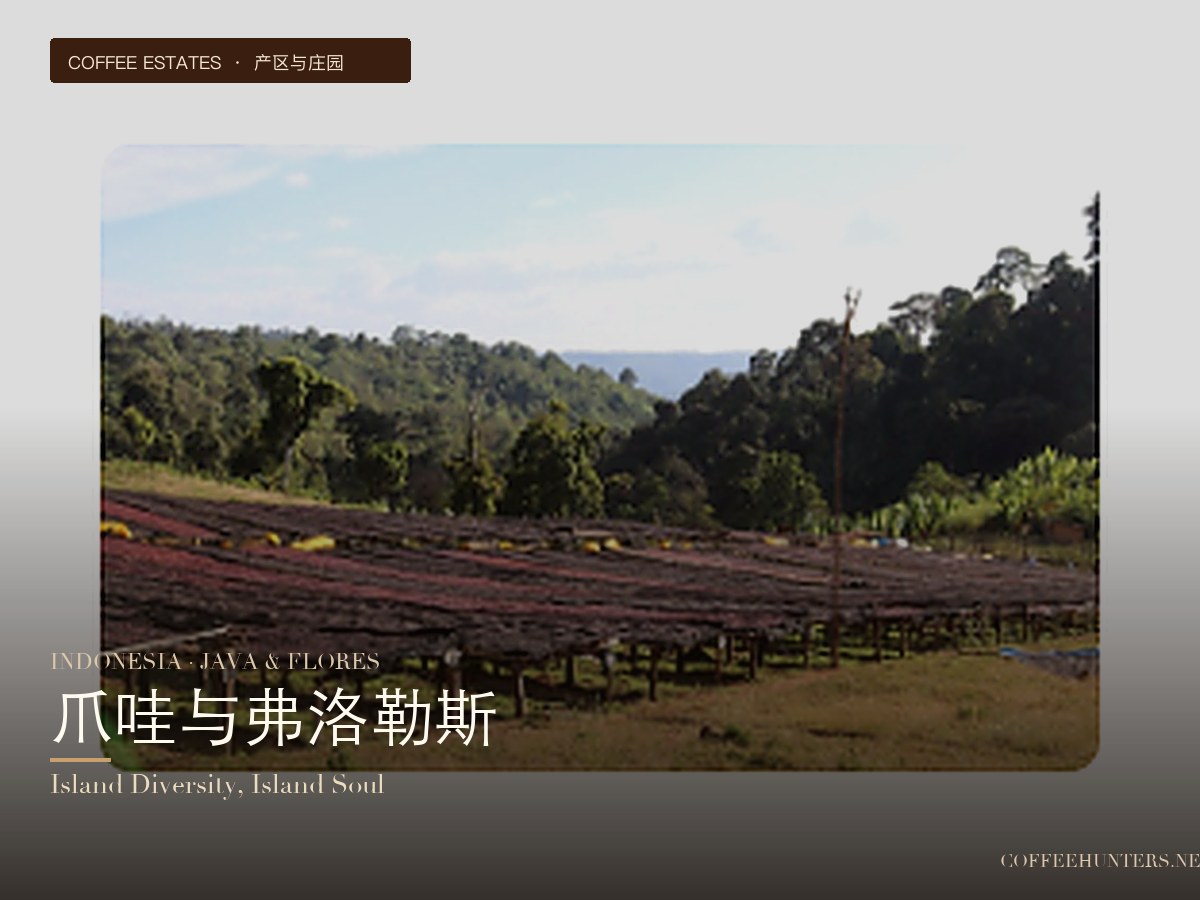
Indonesia: Java and Flores — Diverse Island Flavors
Indonesia's Java and Flores are two specialty coffee-producing regions with just as much diverse flavor as Sumatra. This article introduces you to the geography, varieties, and distinctive flavors of these two island regions. [more…]
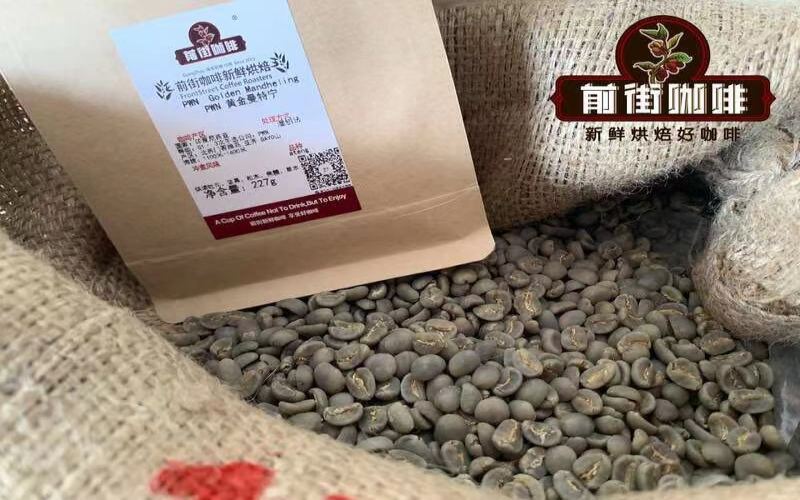
Indonesian Coffee Buying Guide: Front Street Golden Mandheling Features Analysis and Pour-Over Parameters Sharing
Indonesia has the world's most abundant volcanic resources, and frequent volcanic activity has provided exceptionally fertile soil for coffee cultivation. Sumatra, Java, and Sulawesi are the country's three major coffee-producing regions, and among them, the Mandheling produced in Sumatra is especially well known in the specialty coffee world. The Golden Mandheling from PWN is even regarded as the top choice for buying Indonesian coffee. This article will walk you through the origins and flavor characteristics of Front Street Coffee's Golden Mandheling, and share a practical set of pour-over parameters and brewing techniques. [more…]
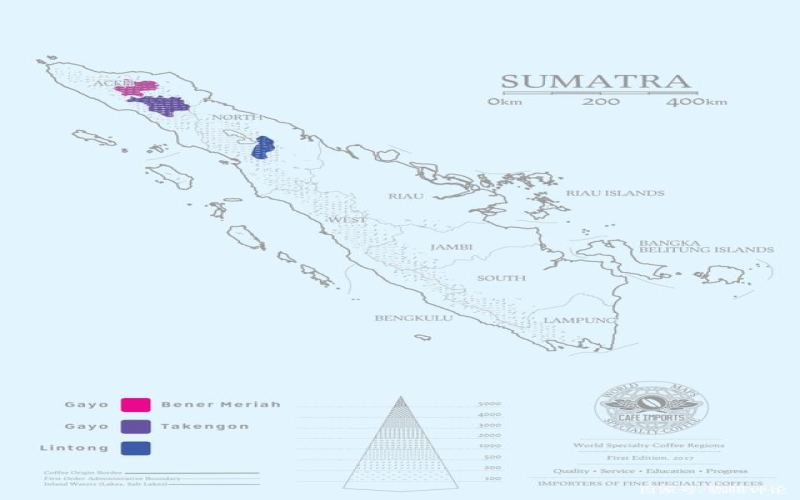
Indonesian PWN Golden Mandheling G1 Washed Beans: A Full Analysis of Origin, Flavor Profile, and Pour-Over Brewing Parameters
Mandheling is the most recognizable presence on the Asian coffee map, and the Golden Mandheling G1 washed beans produced by Indonesia's PWN are the benchmark of excellence within it. This article begins with the "Two Lakes, Two Mandhelings" of Sumatra's two core producing regions—Lake Toba and Lake Tawar—and sorts through the many ways Mandheling is classified, focusing on analyzing the differences between Front Street Lintong Mandheling and Front Street PWN Golden Mandheling in terms of the ethnic groups that cultivate them, processing methods, flavor expression, and roasting suitability. You will learn how the wet-hulling process gives Mandheling its distinctive woody, spicy, and herbal notes, and why PWN Golden Mandheling, after three rounds of manual sorting and one round of machine sorting, can present a cleaner cup with more pronounced sweetness. At the end of the article, Front Street's recommended brewing approach is included for coffee enthusiasts to reference and put into practice. [more…]
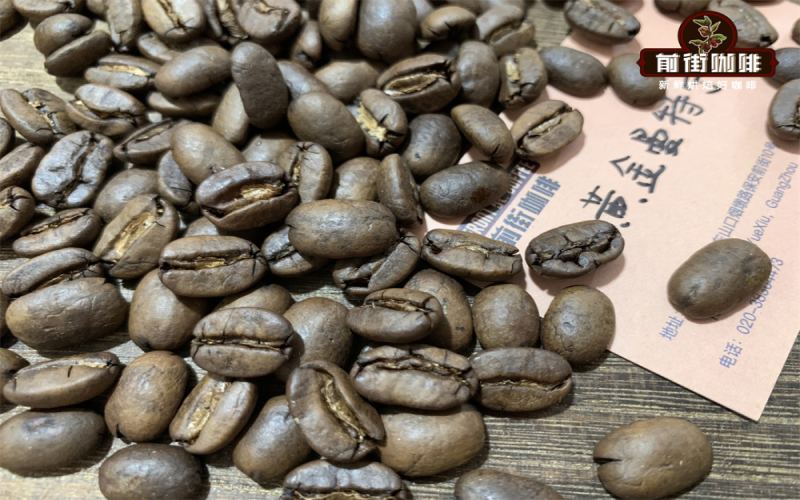
An In-Depth Guide to Indonesia Sumatra Mandheling Coffee: Regional Characteristics, Wet-Hulling Process, and Golden Mandheling
Mandheling coffee is the most representative coffee category from the Indonesian island of Sumatra, known for its full body, low acidity, and herbal and dark chocolate-caramel flavors. This article begins with two Mandheling products from Front Street Coffee, outlining the distribution of high-altitude growing regions in Aceh Province and North Sumatra Province, introducing the coffee cultivation conditions around Lake Tawar and Lake Toba, and focusing on the Golden Mandheling produced by PWN, as well as how Indonesia's unique wet-hulling process shapes the classic flavor of Mandheling. Finally, it offers suggestions for those who want to try wet-hulled specialty coffee. [more…]
A Comprehensive Guide to Coffee Varieties: The Differences Between Arabica and Robusta and the Flavor Characteristics of Geisha, Typica, and Bourbon
The world of coffee varieties is intricate and diverse, from the widely cultivated Arabica to the highly resistant Robusta, and to the sought-after Geisha, Typica, and Bourbon—each with its own unique origins and flavors. This article will guide you through the origins and spread of the coffee tree, clarify the botanical relationship between Arabica and Robusta, and delve into how Geisha rose from a windbreak to a competition star, why Typica is ancient yet precious, and how Bourbon evolved into Caturra, Pacas, and other descendants. At the same time, we will showcase the specific expressions of different varieties in the cup, drawing on a range of beans offered by Front Street Coffee. Whether you are a newcomer or a seasoned enthusiast, you will gain clear varietal knowledge and bean selection guidance. [more…]
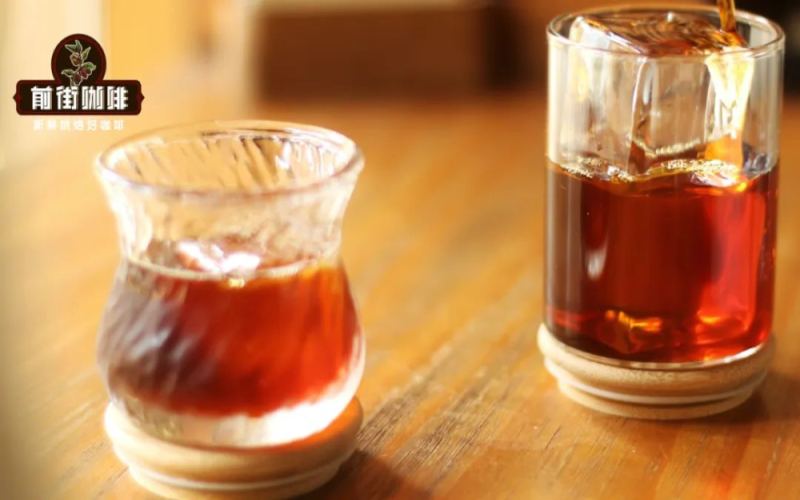
How to Make Delicious Japanese-Style Iced Coffee? Front Street Golden Mandheling Ice Brew Parameters and Complete Step-by-Step Guide
On a scorching summer day, a glass of iced coffee never fails to snap you awake. But many people run into the same problem when making iced coffee at home: the coffee turns out bitter and watery, with all the alluring caramel and nutty aromas diluted away by the ice. Is there a way to make iced coffee that is both refreshingly cold and retains the rich, mellow flavor characteristic of dark-roasted beans? A devoted fan of Front Street Coffee's Golden Mandheling shared his improved iced-brewing method, in which the key adjustments were the coffee-to-water-to-ice ratio and the pouring technique. The resulting black coffee not only has no trace of bitterness but also delivers notes of chocolate, maple syrup, and a creamy smoothness. Below is the complete set of parameters and step-by-step instructions—brew a pot and you'll discover the magic for yourself. [more…]
A Complete Analysis of the Flavor Characteristics and Estate Background of Panama Boquete Elida Estate Natural Typica Coffee Beans
Located in the Boquete production area of Panama, Elida Estate has become a shining star among Central American specialty coffees, thanks to its ultra-high-altitude growing environment and distinctive flavor profile. This article focuses on Front Street Coffee's Panama Boquete Elida Estate Natural Typica, providing a detailed introduction to this coffee bean's flavor narrative, origin information, estate background, and processing methods. From rich tropical fruits, strawberry, and black plum to intense fruit wine aromas, and then to Elida's signature "savory" quality, the article will guide you into a deeper understanding of why this estate can rank among the Best of Panama winning lots year after year, as well as the unique charm of Typica, this ancient variety. [more…]
Global Coffee Origins Atlas: A Complete Analysis of Flavor Characteristics and Representative Bean Varieties by Region
Coffee flavors are incredibly diverse—acidity, bitterness, floral notes, and fruity notes all have their devotees, and everyone's taste preferences vary widely. If you want to find the cup that suits you best, it helps to start by understanding the flavor characteristics of different producing regions. African beans typically have bright citric acidity, American beans are known for their rich sweetness, while Blue Mountain and Mandheling take the traditional full-bodied route. This article will systematically outline the origin characteristics and representative bean varieties of the world's major coffee-producing countries, including the flavor profiles of Peru, Guatemala, Haiti, Rwanda, Ethiopia, Yemen, and other places, and will include a list of well-known coffees from each country to help you follow the map and taste them one by one. Front Street Coffee will also recommend selected products worth trying. [more…]
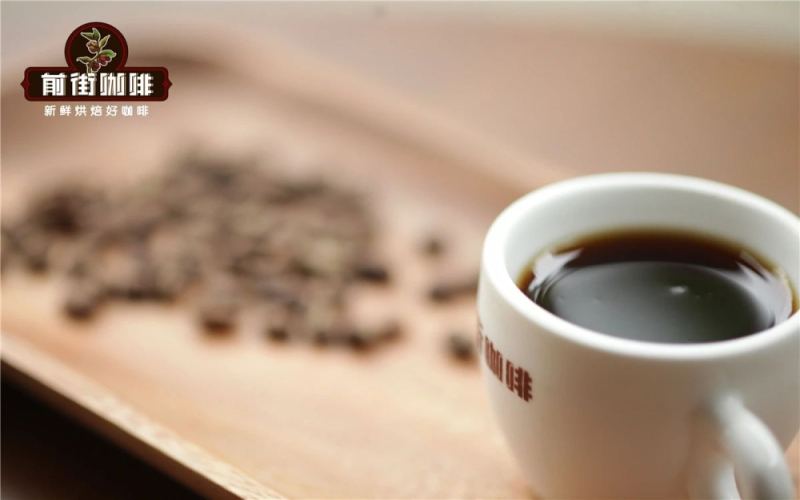
In-Depth Analysis of Indonesian Mandheling Specialty Coffee: From Sumatra Origins to a Complete Guide to Golden Mandheling Pour-Over
Mandheling coffee, with its rich bitter profile and unique herbal aroma, has become a favorite among dark roast enthusiasts. The Lintong Mandheling and PWN Golden Mandheling on Front Street Coffee's bean list come from the Lintong and Aceh regions of Sumatra, respectively, and are medium-dark roasted, presenting flavors of dark chocolate, caramel, and spices. Golden Mandheling, having undergone multiple rounds of hand sorting by PWN, boasts extremely high cleanliness and a clear sweetness. This article will guide you through Mandheling's origin story, its wet-hulling processing method, and the complete parameters and three-pour technique used by Front Street Coffee's baristas to brew Golden Mandheling by hand, helping you brew a rich, clean cup at home. [more…]